Trying to monitor stock levels across Amazon, Walmart, or supplier sites at scale? Without a proxy, your scraper gets blocked within minutes. This guideline covers how product inventory tracking proxies work, which type to use, and how to set one up that runs without interruptions.
What Is a Product Inventory Tracking Proxy?
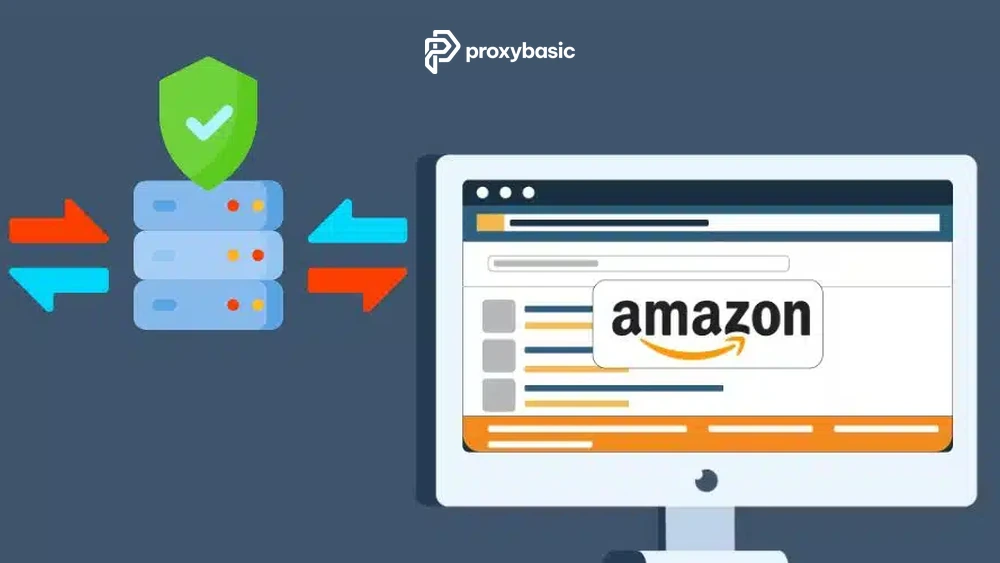
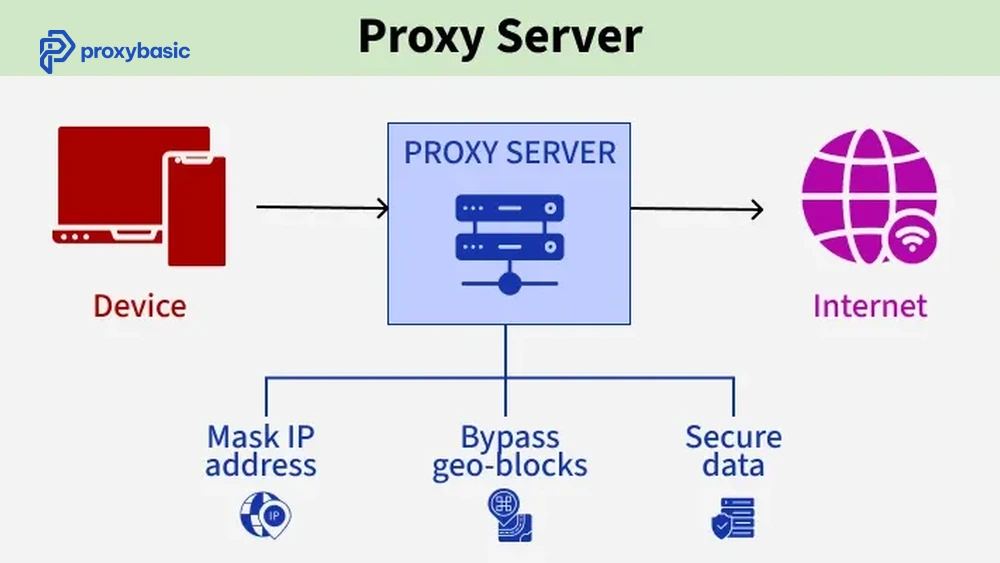
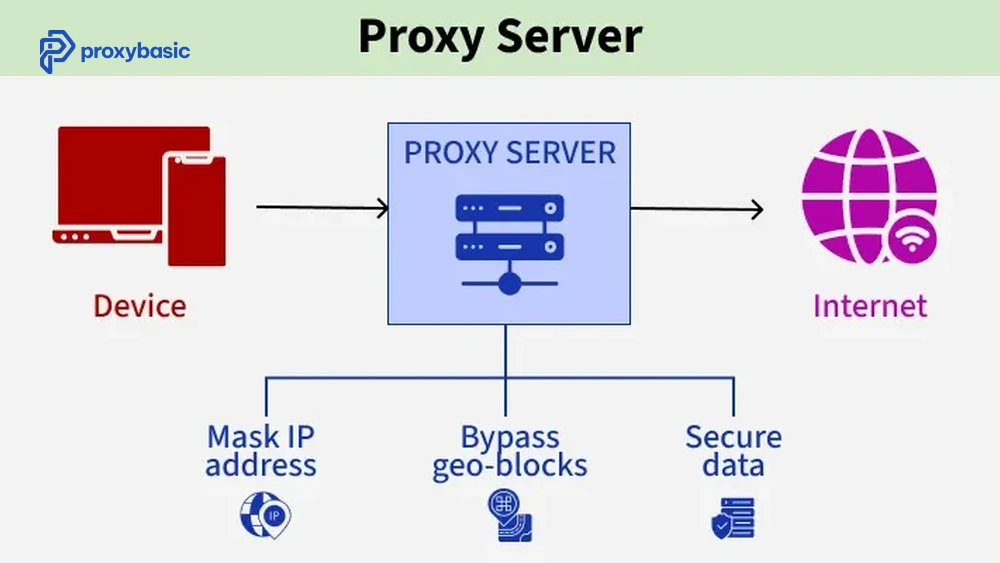
A product inventory tracking proxy is an intermediary server that routes your data requests through a different IP address. When your scraper checks a product page for stock status, the target site sees the proxy’s IP, not yours.
A proxy lets your tracker look like a regular shopper, not a bot, so stock data keeps flowing in without disruptions. Without a proxy, e-commerce sites detect repeated requests from the same IP and block them. With one, you can check thousands of product pages per hour across multiple platforms.
Why E-Commerce Sites Block Inventory Scrapers
Retailers protect their data. Amazon, Best Buy, and most major platforms use bot detection systems that flag:
- Requests hitting the same product URL repeatedly
- Traffic originating from data center IP ranges
- Unusual request patterns (too fast, no browser headers)
Once flagged, your IP gets rate-limited or banned. A product inventory tracking proxy rotates your IP so each request appears to come from a different user.
How Proxies Keep Your Tracker Running 24/7
Rotating residential proxies allow your tracker to run continuously by switching IPs automatically. Each request appears as a real user visit, helping avoid detection and rate limits. This removes the need for manual IP resets and keeps your system stable.
By distributing requests across many IPs, your tracker can collect real-time data reliably and operate 24/7 without interruptions or blocks from target websites.
Types of Proxies for Inventory Tracking
Not all proxies perform the same for inventory tracking. The type of proxy you choose directly affects success rate, speed, and long-term reliability. Below is a simple comparison to help you understand the key differences.
|
Feature |
Residential Proxy |
ISP (Static Residential) |
|
Best For |
High-volume Amazon scraping |
Real-time stock monitoring alerts |
|
Trust Score |
Highest (ISP-assigned) |
High (Commercial/ISP hybrid) |
|
Latency |
Moderate |
Low (High Speed) |
|
Rotation |
Automatic per request |
Usually Sticky |
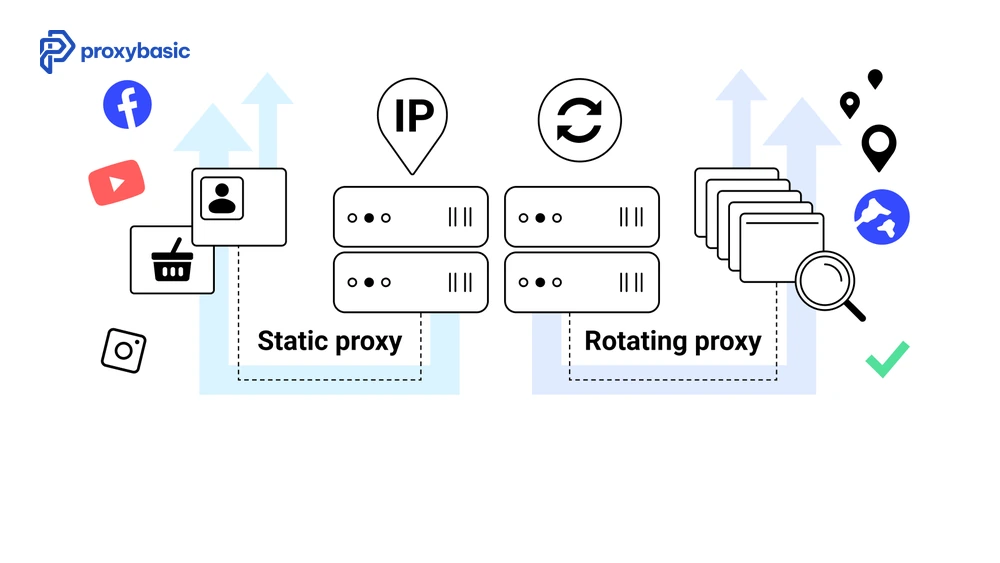
Residential proxies are better for large-scale scraping where rotation is needed, while ISP (static residential) proxies are ideal for real-time tracking due to their speed and stable IP. Choosing the right type depends on whether you prioritize volume or consistency.
Residential Proxies vs Datacenter Proxies for Stock Monitoring
Residential proxies use IPs from real ISPs (Comcast, AT&T, etc.). They have the highest trust level with e-commerce platforms and very low block rates. Downside: they cost more per GB and can be slower.
Datacenter proxies are fast and cheap, but their IP ranges are well-known to retailers. Amazon and Walmart block datacenter traffic aggressively. For serious inventory monitoring, they fail more often than they succeed.
For product inventory tracking, residential proxies are the reliable choice , especially for Amazon, Shopify stores, and major retailers.
ISP Proxies: The Best of Both Worlds
ISP proxies (also called static residential proxies) combine datacenter speeds with residential IPs. They’re hosted in data centers but registered to real ISPs, so they pass bot detection checks while delivering faster response times.
For real-time stock alerts where latency matters, ISP proxies hit a useful middle ground between speed and trust.
Key Use Cases for Inventory Tracking Proxies
Inventory tracking proxies are widely used by e-commerce businesses and data teams to monitor stock levels, pricing changes, and product availability across multiple platforms. By using the right proxy setup, we can collect accurate data without being blocked or receiving incorrect results.
Amazon Stock Level Monitoring
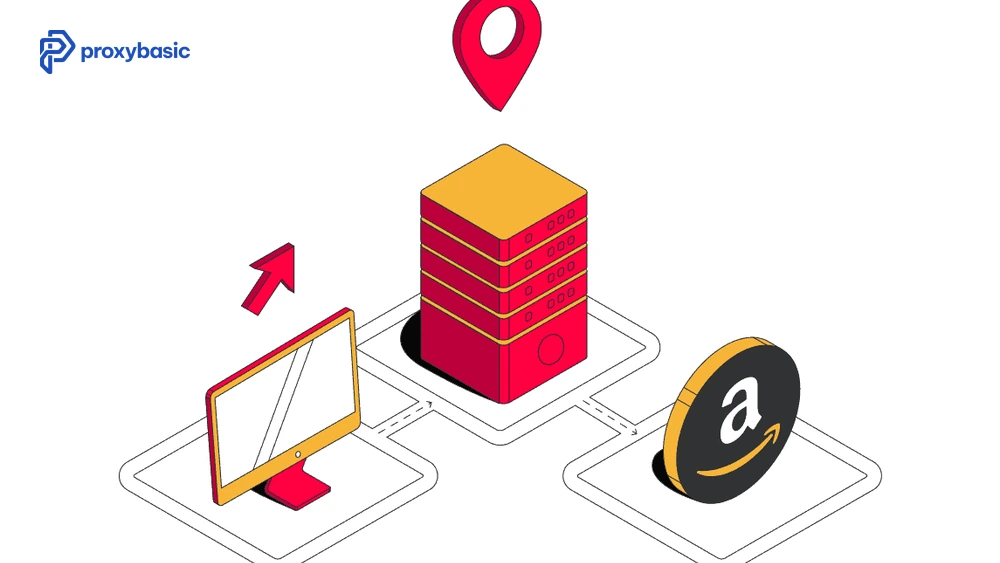
Amazon updates its inventory status constantly. Sellers use a product inventory tracking proxy to monitor competitor stock levels, detect when a product goes out of stock, and adjust their own pricing or advertising spend in response.
A rotating residential proxy pool with US geo-targeting gives you accurate, up-to-date stock data without triggering Amazon’s bot filters.
Multi-Platform Price and Availability Tracking
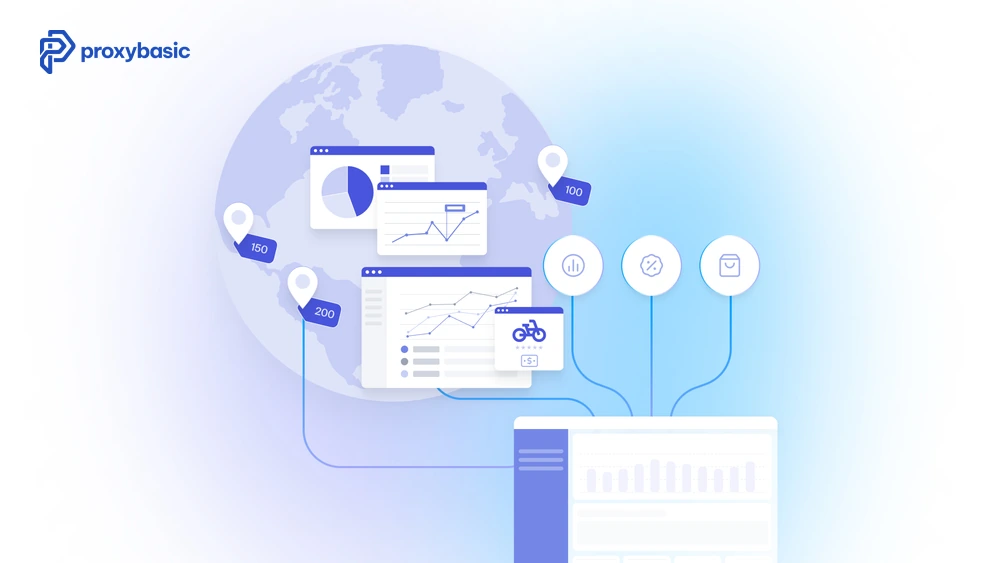
Retailers list the same product across Amazon, eBay, Walmart, and their own stores at different prices and stock levels. Using a product inventory tracking proxy lets you scrape all of them simultaneously and consolidate the data into a single dashboard.
Without geo-targeted proxies, you may see wrong pricing for your target market, especially for items with regional availability.
Supply Chain and Supplier Data Collection
Beyond retail, procurement teams use proxies to monitor supplier catalogs and distributor stock feeds. When a key component goes low at a supplier, an automated tracker with proxies can alert you before it affects your production schedule.
Restock Alert Automation
Pairing a proxy with a headless browser (Playwright or Puppeteer) lets you build restock alerts:The script checks a product URL every few minutes using a product inventory tracking proxy and sends a notification the moment inventory goes from 0 to available. This works for limited-release items, seasonal stock, or high-demand SKUs.
How to Set Up a Proxy for Inventory Tracking
To track inventory accurately, we need to configure proxies correctly based on how data is collected. The right setup helps balance speed, reliability, and access to region-specific stock information.
Choosing the Right Rotation Method
For inventory tracking, a product inventory tracking proxy with rotating sessions (a new IP per request) works best for high-volume scraping. If you need to maintain a session , for example, to stay logged in to a B2B supplier portal , use sticky sessions that hold the same IP for several minutes.
Most proxy providers offer both modes through the same endpoint. Switch the session duration parameter in your request headers.
Geo-Targeting for Regional Stock Data
Stock availability varies by region. A product may be available at a US warehouse but out of stock in Europe. Use geo-targeted proxies to pull location-accurate inventory data for the markets you care about.
Most major proxy providers support country-level and city-level targeting via URL parameters (e.g., country=us&state=california).
Best Proxy Providers for Inventory Tracking (Tested)
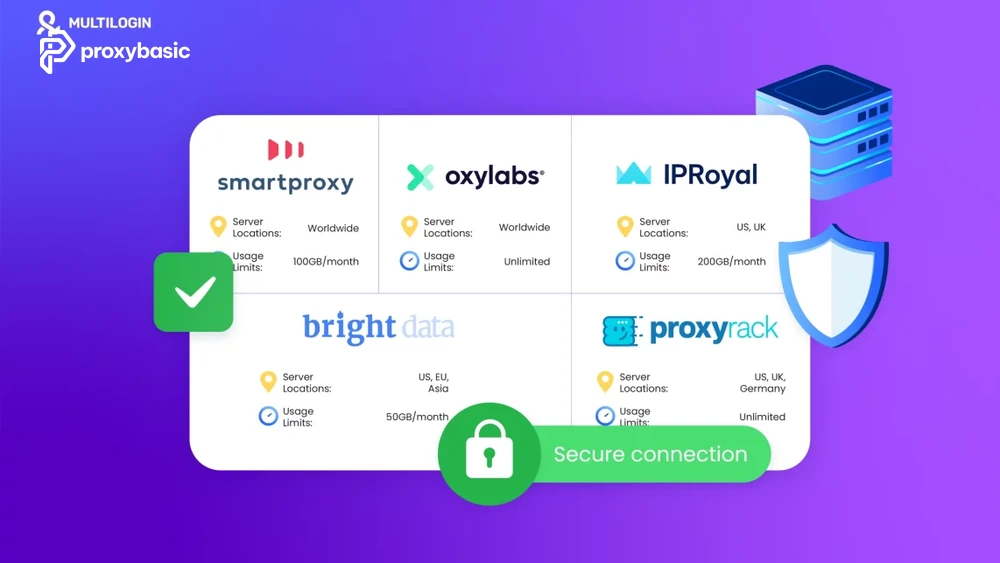
Based on success rates for e-commerce scraping, these providers handle inventory tracking well:
- Decodo (ex Smartproxy), large residential pool, clean US IPs, straightforward rotating proxy endpoint
- Oxylabs, an enterprise-grade residential network, is good for high-volume Amazon monitoring
- Bright Data, best geo-targeting options, steeper price per GB
- IPRoyal, a solid ISP proxy offering at a lower price point, good for mixed-use setups
- Proxy-Cheap, budget option for lower-volume trackers that don’t need top-tier IPs
For most product inventory tracking setups, Decodo or IPRoyal gives the best balance of cost and reliability.
Common Problems and How to Fix Them
Even with proxies, issues can still happen during inventory tracking. Understanding the cause helps us fix them quickly and keep the system running smoothly.
Getting Blocked Despite Using Proxies
If your residential proxy pool is small and you’re hitting the same retailer repeatedly, you may still see blocks. Fix it by:
-
- Increasing the pool size (more unique IPs per session)
- Adding randomized delays between requests (1-5 seconds)
- Rotating user-agent strings with each request
Slow Response Times Affecting Real-Time Data
Residential proxies are slower than datacenter proxies by nature. If latency is critical for your use case, switch to ISP proxies or narrow your rotation pool to IPs in a specific city closer to the target server.
Conclusion
A proxy for product inventory tracking is not optional if you’re monitoring stock at scale. Residential proxies give you the highest success rates against major e-commerce platforms. ISP proxies work well when speed matters more than anonymity. Pair either with rotating sessions, geo-targeting, and proper request headers, and your inventory tracker will run reliably without manual intervention.
For most setups, start with a residential proxy provider like Decodo or Oxylabs, test against your target sites, and scale from there. Visit [domain.com] for proxy recommendations built to your specific use case.