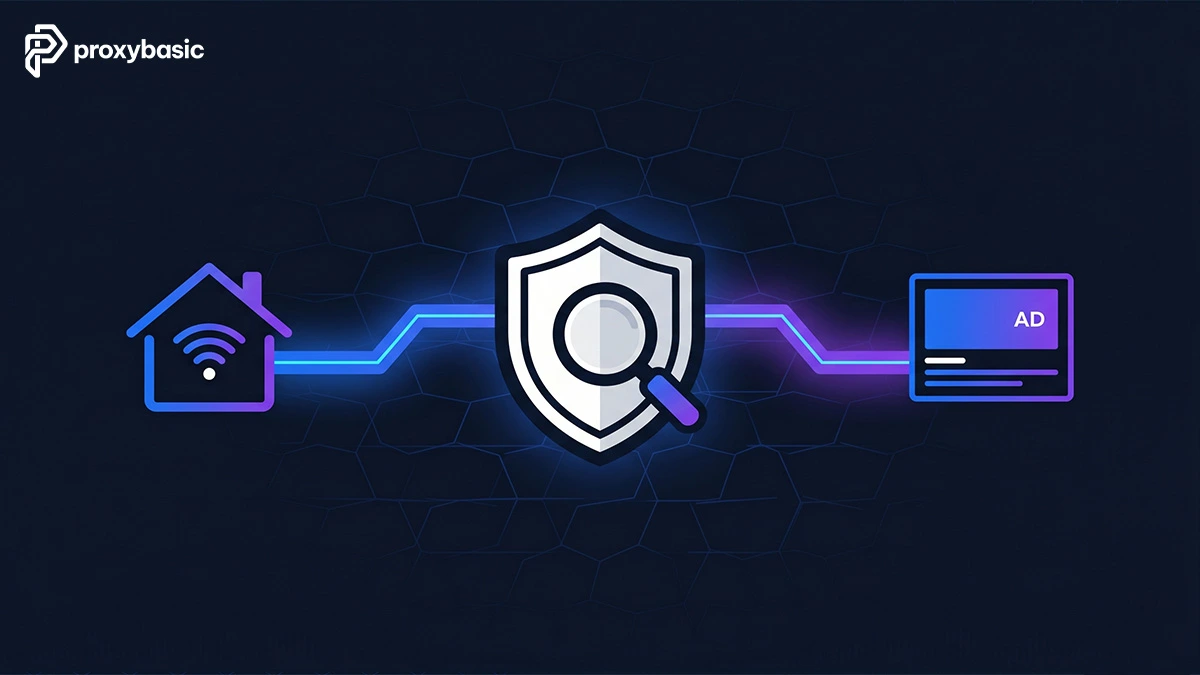

Ad verification with residential proxy works by routing your checking traffic through real ISP-assigned IP addresses, so ad networks, publishers, and fraud bots see a genuine user instead of a known crawler. This matters because ad fraud costs advertisers billions each year, and most automated detection tools get blocked the moment a target site spots a datacenter IP. Residential proxies solve that problem at the source, making ad verification more accurate and harder to detect.
The anonymity level of the proxy you choose determines what information gets passed along to the destination server. Transparent proxies reveal your original IP in request headers. Elite proxies send no identifying headers at all. For proxy for ad placement verification and ad fraud detection proxy use cases, that difference decides whether your verification check returns accurate results or a clean, sanitized page built for bot traffic.
Choosing the right anonymity tier, session type, and geolocation setting depends on the specific task. Placement verification and fraud detection each have different requirements, and getting them mixed up produces unreliable data. The sections below break down each factor so you can configure your residential proxy for ad verification correctly from the start.
What Is Ad Verification and Why Does It Require Residential Proxies?
Ad verification with residential proxies is the process of checking that ads appear where they are supposed to, to the right audiences, in the right context, without interference from fraud. Publishers, advertisers, and ad operations teams run these checks to confirm placements, detect spoofing, and catch traffic manipulation before budget drains away.
The reason residential proxies are necessary comes down to how ad servers behave. Ad networks apply different logic depending on who is asking. A real user in Chicago sees one version of a page. A crawler coming from a known datacenter IP sees another, or nothing at all. Verifying ads with residential proxies removes that gap because the IP looks identical to a real subscriber connection.

How Ad Fraud Happens Without Proxy Protection
Ad fraud operates by exploiting the gap between what advertisers think they are buying and what they actually receive. Without residential proxy-based ad verification, that gap stays invisible. Common fraud types include domain spoofing (a low-quality site pretending to be a premium publisher), pixel stuffing (cramming multiple ads into a 1×1 pixel so they register as served but never viewed), and bot traffic (automated scripts generating fake impressions and clicks).
When a verification tool runs checks from a datacenter IP, fraud setups detect the non-human source and serve a clean, compliant page. The ad appears, the placement looks legitimate, and the check passes. The fraud only shows up for real users, where no verification tool can see it.
Why Datacenter Proxies Fail at Ad Verification
Datacenter proxies come from cloud hosting providers and commercial IP ranges. These IP blocks are widely catalogued by ad fraud detection vendors, CDN providers, and major publishers. An IP from AWS, DigitalOcean, or similar infrastructure gets flagged as non-human within milliseconds at most serious ad servers.
The result: the ad verification with residential proxy check sees the real version of the page instead of the sanitized version shown to datacenter traffic. That makes any data from datacenter proxies unreliable. Residential proxies avoid this problem because their IPs come from ISPs like Comcast, Vodafone, or Telstra, the same sources as everyday users.
Residential Proxy Anonymity Levels Explained
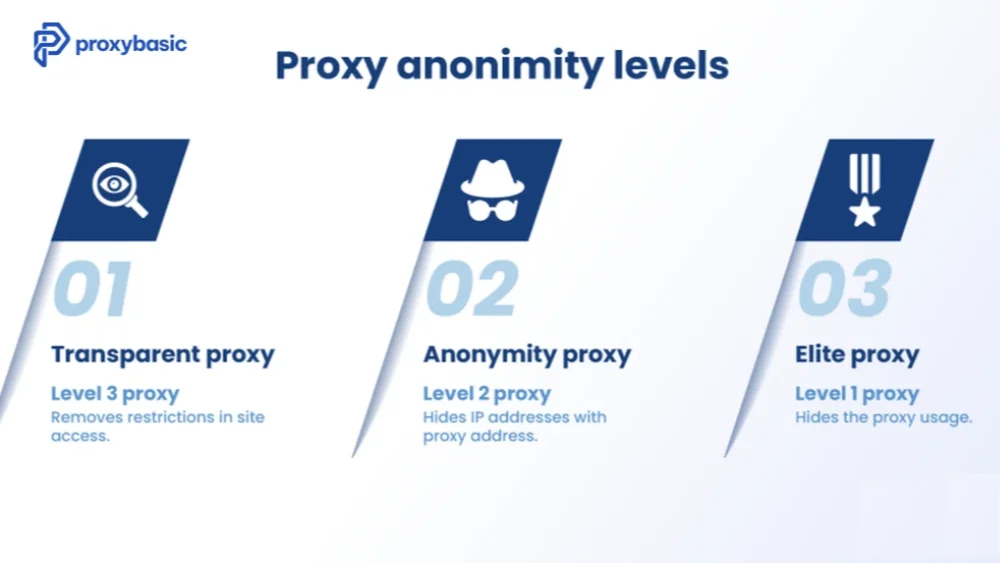
Residential proxy anonymity levels fall into three tiers: transparent, anonymous, and elite (also called high-anonymity). Each tier controls how much identifying information the proxy passes to the destination server in HTTP headers. For ad verification with residential proxy setups, the choice of tier directly affects whether the target system treats your check as real user traffic or flags it as automated.
What Is a Transparent Proxy?
A transparent proxy forwards your original IP address to the destination server inside the X-Forwarded-For header. The server knows a proxy is being used and knows your real IP. For ad verification work, this is the least useful tier. Publishers and ad servers that check headers will see the original IP, which may be flagged or may trigger a different content response.
Transparent proxies have legitimate uses in corporate network management and content filtering, but they offer no anonymity benefit for verification tasks.
What Is an Elite (High-Anonymous) Proxy?
An elite proxy sends no X-Forwarded-For header and no Via header to the destination server. The server receives only the proxy’s own IP address, with no indication that a proxy is involved. From the server’s point of view, the request looks identical to one from a regular user on that ISP.
For residential proxy ad verification and fraud detection, elite-level anonymity is the standard. The destination ad server, publisher site, or fraud detection system has no header-based signal to trigger a different content response.
Elite Proxy vs Transparent Proxy: Key Differences for Ad Verification
Elite proxies win on anonymity for ad verification tasks. Transparent proxies are simpler to set up but expose your original IP, making them unsuitable for any scenario where you need the destination server to treat your request as genuine user traffic.
The table below covers the key differences between these two proxy types for ad verification with residential proxies. Reviewing this comparison will help you avoid the most common configuration mistake, which is using the wrong tier for the wrong task.
|
Factor |
Transparent Proxy |
Elite Proxy |
|
Original IP visible to the server |
Yes |
No |
|
X-Forwarded-For header sent |
Yes |
No |
|
Detected as a proxy |
Yes |
No |
|
Suitable for ad placement verification |
No |
Yes |
|
Suitable for fraud detection |
No |
Yes |
|
Risk of seeing a sanitized ad page |
High |
Low |
How to Use Residential Proxies for Ad Placement Verification
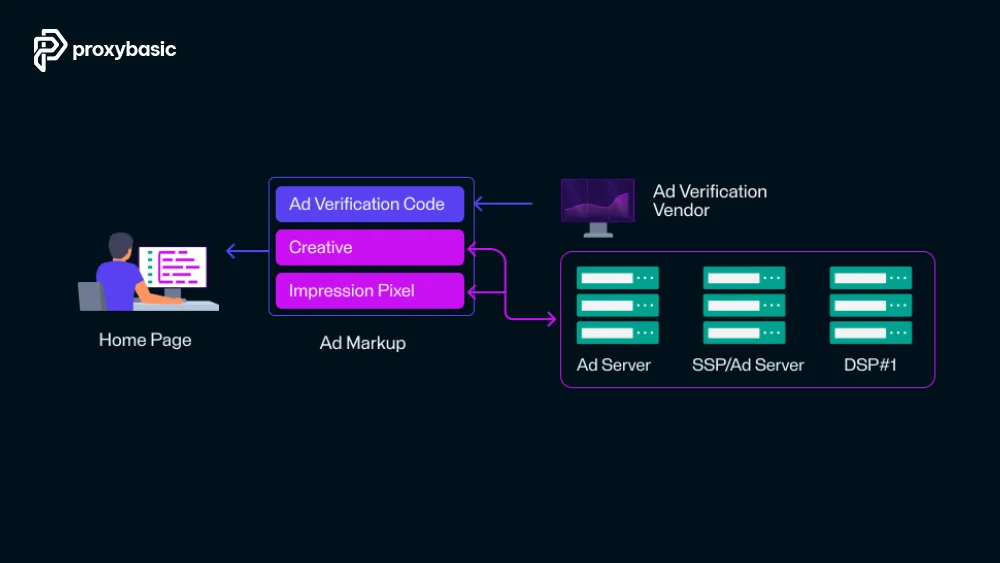
Ad placement verification with residential proxies works by simulating real user requests from the target geographic location, then capturing what ad actually loads in that placement. The three steps are: select an elite residential proxy in the right geo, make the request with the same browser headers a real user would send, and record the full ad response including the creative, the landing URL, and any redirect chain.
Best Anonymity Level for Ad Placement Verification
Elite anonymity is the correct choice for a proxy for ad placement verification work. The goal is to see exactly what a real user in a specific location sees when the ad loads. Any header leakage that signals a proxy or non-human origin can cause the ad server to serve a fallback creative, a house ad, or no ad at all, which makes the verification data useless.
For placement checks, pair elite anonymity with sticky sessions so the ad server does not see sudden IP changes mid-session, which can also trigger filtering.
Rotating vs Sticky Sessions: Which Works Better for Ad Placement Checks?
Sticky sessions work better for ad placement verification. A single placement check needs to complete a full page load, including all ad calls, redirects, and creative loads, without changing IP mid-session. Rotating sessions swap IPs between requests, which can break the ad load sequence and return incomplete or error data.
Use rotating sessions only when running large-scale crawls across many domains and you need IP diversity to avoid rate limiting. For precise, per-placement ad verification, sticky sessions give more reliable results.
How to Use Residential Proxies for Ad Fraud Detection
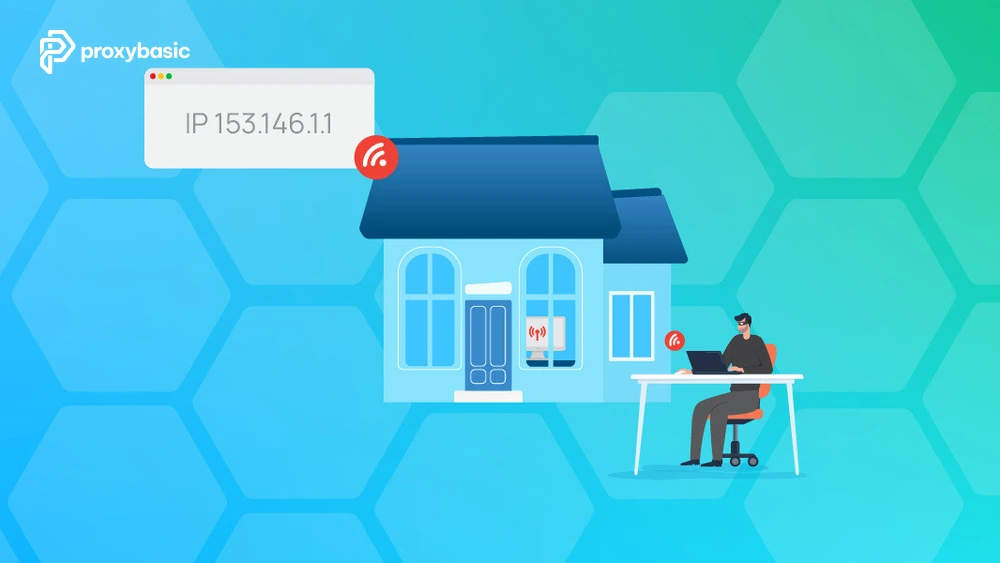
Ad fraud detection with residential proxies works by sending traffic from real residential IPs into the ad ecosystem and monitoring for inconsistencies: pages that behave differently for real users vs. verified bot traffic, redirect chains that lead to unexpected destinations, or creative swaps that happen below the fold or in hidden iframes.
Best Anonymity Level for Ad Fraud Detection
Elite anonymity is the right tier for ad fraud detection proxy use cases, but for a different reason than placement verification. Fraud setups are specifically designed to identify and hide from known verification tools. They look for datacenter IPs, known proxy headers, and unusual traffic patterns. An elite residential proxy removes the most obvious detection signals, so the fraud mechanism runs as it would for a real victim user.
The priority here is seeing the real behavior of the fraudulent setup, not a sanitized version of it.
Geo-Targeting Accuracy and Its Role in Fraud Detection
Geo-targeting accuracy matters for residential proxy ad verification because many fraud operations are geo-specific. A domain spoofing scheme might only activate for traffic from a specific country or DMA region. A redirect fraud chain might only trigger for mobile users in certain markets. If your residential proxy geo does not match the target of the fraud campaign, the fraud behavior may not appear at all.
Choose residential proxies with ISP-level geo precision, not just country-level. City-level targeting is often needed to match the specific audience segment the fraudulent campaign targets.
Advanced Factors That Affect Proxy Anonymity in Ad Verification
Beyond anonymity tier selection, three technical factors can undermine proxy anonymity even when using elite residential proxies: DNS leaks, browser fingerprinting, and legal constraints. Each one can cause your ad verification with residential proxy setup to produce unreliable data even when the configuration looks correct on paper.
Does DNS Leak Affect Elite Proxy Anonymity?
Yes, a DNS leak can expose your real network origin even when an elite proxy hides your IP. A DNS leak happens when DNS queries bypass the proxy and go through your default ISP or local DNS resolver instead. Some ad fraud systems monitor DNS query patterns as a secondary detection signal, which can undermine your ad verification results.
To prevent DNS leaks, use a proxy provider that routes DNS queries through the proxy itself, or configure your verification environment to force all DNS traffic through the proxy connection.
How Browser Fingerprinting Bypasses Proxy-Level Anonymity
Browser fingerprinting collects data points that have nothing to do with IP address: screen resolution, installed fonts, WebGL renderer, canvas rendering behavior, time zone, language settings, and plugin list. Ad fraud detection systems and sophisticated publishers use fingerprinting to identify non-human or unusual clients regardless of where the IP comes from.
An elite residential proxy solves the IP problem. It does not solve the fingerprint problem. For high-accuracy ad verification with residential proxies, pair your proxy with a headless browser configured to match the fingerprint profile of a typical user in the target market. Tools like Playwright or Puppeteer with proper fingerprint spoofing reduce the risk of fingerprint-based filtering.
Legal and Compliance Considerations for Anonymous Proxies in Ad Verification
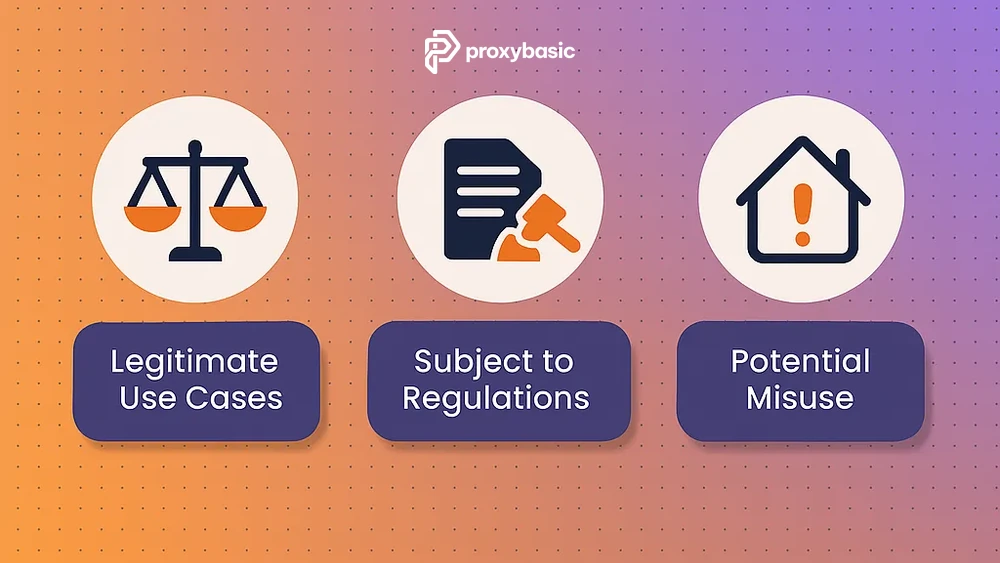
Using residential proxies for ad verification sits in a legally complex space in some jurisdictions. Key points to check before running verification programs:
- Terms of service: Major ad platforms and publishers prohibit automated access in their ToS. Verification programs run at scale may technically violate these terms even when the purpose is fraud detection.
- Data privacy regulations: In the EU, collecting ad content or user data visible in served ads may intersect with GDPR, depending on what data is captured and stored.
- Residential proxy sourcing: Some residential proxy networks source IPs from users who have consented to share bandwidth; others operate in legally ambiguous ways. Using a provider with clear consent documentation reduces compliance risk.
Working with legal counsel familiar with ad tech and data privacy law is the practical step before running large-scale verification programs.
Conclusion
Ad verification with residential proxies requires matching the right proxy tier, session type, and geo configuration to the specific task. Elite anonymity is the standard for both proxy for ad placement verification and ad fraud detection proxy work because it removes the header signals that cause ad servers and fraud systems to serve a different response to known verification tools.
The anonymity level is the starting point, not the complete solution. DNS leak protection and fingerprint management determine whether the elite proxy actually performs as expected in production. Legal and compliance review sets the boundaries for how residential proxy ad verification programs can operate at scale.
For advertisers, agencies, and ad ops teams ready to improve ad verification with residential proxy workflows at scale, proxybasic.com covers proxy selection, configuration guides, and geo-targeting setup in full detail. Visit the site to find the right setup for your ad verification workflow.