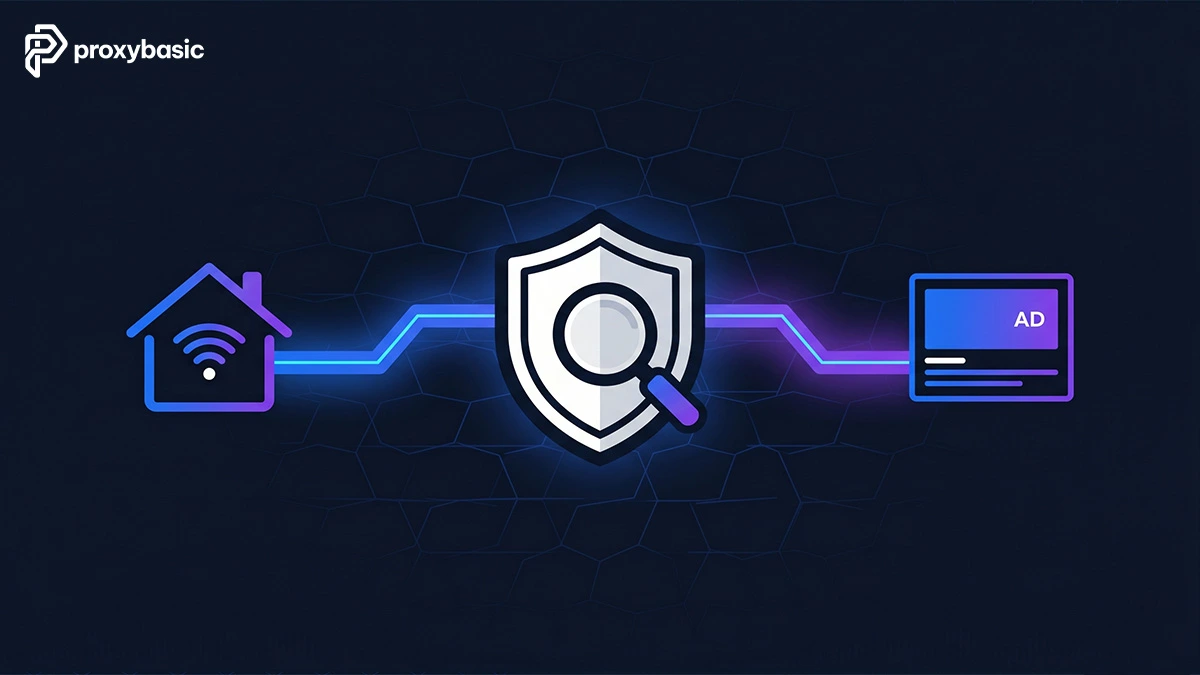

Track ad clicks with residential proxy solutions to improve ad verification accuracy, reduce invalid traffic, and monitor campaigns across different regions. Hidden bot traffic and misleading analytics can waste advertising budgets and distort campaign data.
Residential proxy networks help advertisers, marketers, SEO teams, and analysts improve click tracking, validate ad impressions, and strengthen click fraud detection with more accurate and reliable traffic insights.

What Residential Proxies Do for Ad Verification
Ad verification helps you check how ads appear across different websites, regions, and publishers. Some publishers may hide fraud by showing clean content to company networks while sending fake or low-quality traffic to real users.
When we track ad clicks with residential proxy networks, verification requests come from real home internet connections. This makes monitoring activity look more natural, helping us collect more accurate campaign data, detect suspicious redirects, and reduce the risk of blocks during ad verification.
How to Track Ad Clicks with Residential Proxy Networks
To track ad clicks with residential proxy infrastructure effectively, advertisers need stable IP rotation, geo-targeting, and consistent browsing sessions. Residential proxies help businesses validate campaign performance without triggering anti-bot systems.
Simulating Real User Click Behavior
To successfully track ad clicks with residential proxy networks, traffic must appear like real user activity. Residential proxies help simulate natural browsing behavior by using real home IP addresses instead of datacenter servers. This makes automated click verification look more authentic and reduces the chance of detection during ad monitoring.
Tracking Regional Ad Campaign Performance
Many advertisers target audiences in specific countries, cities, or local regions. When we track ad clicks with residential proxy infrastructure, we can verify how ads, landing pages, and promotions appear to users in different geographic locations.
This helps improve campaign accuracy and detect regional advertising issues more effectively. Residential proxies help advertisers:
- Verify local ad placements and visibility
- Detect incorrect geo-targeting
- Identify fake regional traffic
- Monitor localized PPC campaigns
- Test landing pages from different countries and cities
- Validate regional advertising reports more accurately
Monitoring Paid Search and Display Ads
Paid search ads and display campaigns can be affected by fake clicks, competitor abuse, or incorrect placements. Residential proxies help monitor how ads appear on real user screens, making it easier to verify ad visibility, placement accuracy, and impression quality across advertising networks.
Avoiding Detection During Large-Scale Tracking
Running too many tracking requests from a single network can quickly trigger blocks and CAPTCHA checks. To safely track ad clicks with residential proxy systems, traffic is distributed across many residential IPs. This reduces detection risks and helps maintain stable large-scale monitoring workflows.
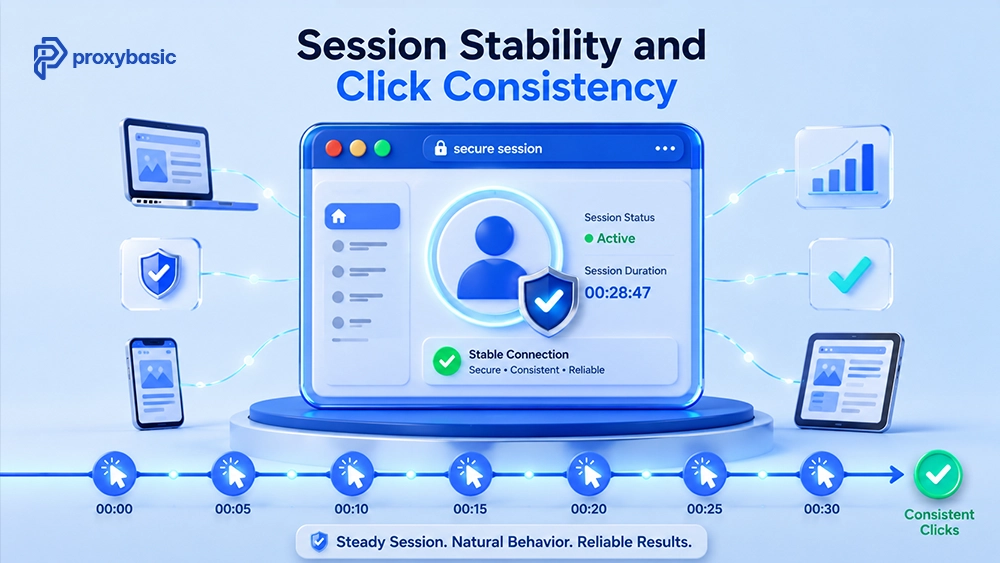
Session Stability and Click Consistency
When businesses track ad clicks with residential proxy networks, stable residential sessions help verify whether every part of the campaign works correctly from the first click to the final conversion. Residential proxies help advertisers validate:
- Ad redirects: Check whether users are sent to the correct landing page after clicking an ad.
- Tracking pixels: Confirm that tracking scripts load properly and record user activity accurately.
- Checkout and conversion flows: Test whether purchase pages, forms, and payment steps work normally in different regions.
- Conversion tracking accuracy: Verify that advertising platforms correctly measure clicks, leads, sign-ups, and completed sales.
- Session consistency: Maintain stable browsing sessions during longer user journeys without unexpected IP changes.
This helps advertisers detect tracking errors, broken redirects, and inaccurate campaign reporting before they affect advertising performance.
Best Practices for Ad Click and Impression Monitoring
To successfully track ad clicks with residential proxy infrastructure, businesses need the right balance between IP rotation, browser behavior, and traffic stability. Using residential IPs with realistic browsing patterns helps ad verification systems collect more accurate campaign data while reducing detection risks.
|
Monitoring Parameter |
Recommended Configuration |
Operational Objective |
|
IP Rotation Type |
Hybrid rotation with fixed intervals and per-request changes |
Simulates natural user behavior while scaling tracking activity |
|
Geographic Targeting |
City-level or postal code targeting |
Verifies localized ads and detects geo-targeting issues |
|
Request Concurrency |
Balanced requests with randomized delays |
Reduces rate limits and lowers detection risk on ad networks |
Using the right proxy configuration helps advertisers maintain more accurate click tracking, improve ad verification quality, and avoid connection failures during automated monitoring tasks.
Residential Proxy Features That Improve Tracking Accuracy
Several residential proxy features directly impact ad verification quality and tracking precision. Businesses that track ad clicks with residential proxy systems should evaluate these capabilities carefully.
Sticky Sessions
When businesses track ad clicks with residential proxy networks, sticky sessions help maintain the same residential IP for a longer period of time. This allows advertisers to test complete user journeys, including landing pages, forms, and conversion flows, without changing IP addresses during the session. Stable sessions make browsing activity appear more natural and reduce the risk of detection.
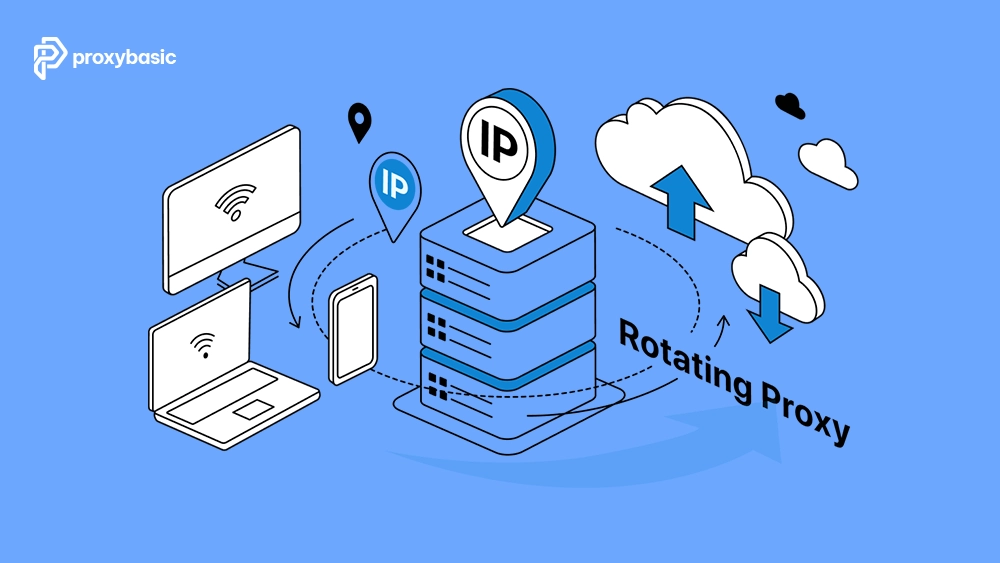
Rotating Residential IPs
Rotating residential IPs automatically switch between different residential addresses after a set time or request. This helps businesses track ad clicks with residential proxy systems at scale without creating repetitive traffic patterns. IP rotation reduces:
- Blocks
- CAPTCHA checks
- Detection risks during large-scale ad monitoring
Session Persistence
Session persistence keeps browser activity, cookies, and network behavior consistent throughout the verification process. When advertisers track ad clicks with residential proxy infrastructure, this feature helps maintain stable sessions during:
- Conversion tracking
- Multi-page navigation
- Attribution testing
This improves tracking accuracy across longer user sessions.
Browser Fingerprint Consistency
Modern advertising platforms analyze more than IP addresses. They also check browser fingerprints such as operating systems, fonts, screen settings, and browser behavior.
To successfully track ad clicks with residential proxy systems, browser fingerprints should remain consistent with the residential IP being used. This helps traffic appear more like real users and lowers verification or CAPTCHA triggers.
Geo Precision and Localization
Geo-targeting is important for regional advertising campaigns. Residential proxies allow advertisers to choose IPs from specific countries, cities, regions, and ISP networks. This helps businesses track ad clicks with residential proxy infrastructure more accurately by verifying localized ads, regional pricing, and location-based campaign performance.
How to Choose the Right Residential Proxy Provider
To successfully track ad clicks with residential proxy infrastructure, choosing the right proxy provider is important for maintaining stable connections, accurate tracking data, and lower detection risks. A reliable residential proxy network helps advertisers improve ad verification performance and avoid issues caused by low-quality or blocked IPs.
- Step 1: Check Residential IP Quality
Choose providers that offer clean, active, and stable residential IPs. High-quality IPs help reduce CAPTCHA checks, connection failures, and invalid traffic during ad monitoring. - Step 2: Review Pool Size and Regional Coverage
Select a provider with strong geographic coverage, including multiple countries, cities, carriers, and ISP networks. This improves localized ad verification and regional campaign testing. - Step 3: Verify Protocol Support
Make sure the provider supports SOCKS5 and HTTPS protocols for secure and stable data transfers during large-scale ad tracking tasks. - Step 4: Test Rotation and Session Stability
Look for features such as rotating residential IPs, sticky sessions, and session persistence to maintain stable user behavior during click tracking and conversion verification. - Step 5: Evaluate Customer Support
Reliable customer support helps quickly resolve connection issues, tracking interruptions, and technical problems during continuous ad verification workflows.

The Future of Ad Verification and Fraud Detection
As digital advertising fraud becomes more advanced, businesses need more accurate ways to verify traffic, monitor campaigns, and reduce invalid clicks. Companies that track ad clicks with residential proxy infrastructure gain better visibility into real user behavior, regional ad delivery, and suspicious traffic patterns.
Using clean residential IPs with stable sessions and realistic browsing behavior helps improve ad verification accuracy and campaign transparency. Businesses looking to strengthen ad monitoring and click fraud detection workflows can visit [domain.com] for more technical insights and related guides.
FAQs
Why use residential proxies for ad verification?
Residential proxies use real home IP addresses, making ad verification traffic look more like normal users. This helps advertisers monitor ads more accurately and reduces the risk of blocks or detection.
Are residential proxies legal for ad tracking?
Yes, residential proxies are generally legal when used for legitimate purposes and in compliance with local laws, website rules, and advertising platform policies.
What is invalid traffic in advertising?
Invalid traffic is fake or low-quality traffic created by bots, click farms, automated tools, or fraudulent activity that increases ad clicks or impressions artificially.
How do advertisers verify impressions?
Advertisers use ad verification tools, residential proxies, and tracking systems to check whether ads are displayed correctly and viewed by real users in targeted locations.